Client-Server Architecture
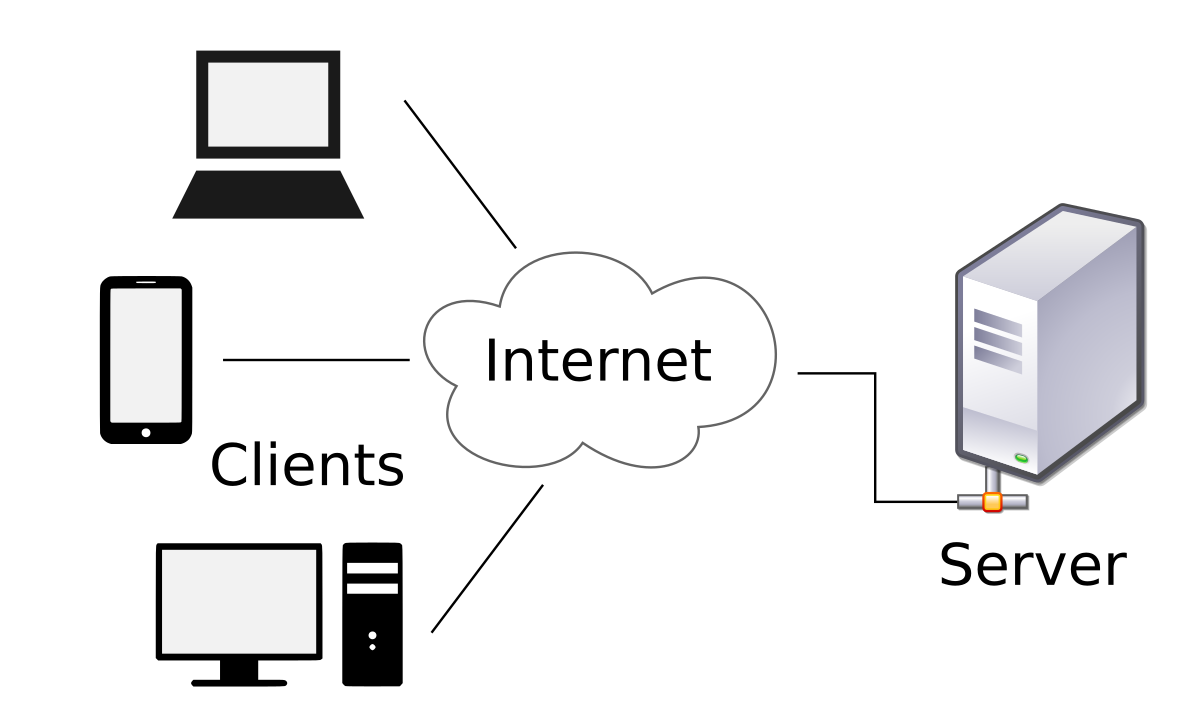
Email working follows the client server approach. In this client is the mailer i.e. the mail application or mail program and server is a device that manages emails.
Following example will take you through the basic steps involved in sending and receiving emails and will give you a better understanding of working of email system:
Suppose person A wants to send an email message to person B.
Person A composes the messages using a mailer program i.e. mail client and then select Send option.
The message is routed to Simple Mail Transfer Protocol to person B’s mail server.
The mail server stores the email message on disk in an area designated for person B.
Now, suppose person B is running a POP client and knows how to communicate with B’s mail server.
It will periodically poll the POP server to check if any new email has arrived for B.As in this case, person B has sent an email for person B, so email is forwarded over the network to B’s PC. This is message is now stored on person B’s PC.
Comments
Post a Comment